BCREA: A Guide to Recessions and the BC Housing Market

As the Bank of Canada aggressively raised rates over the past year to fight multi-decade-high inflation, fears are mounting that tighter monetary policy will push the Canadian economy into recession. Indeed, central banks have a poor historical track record in achieving “soft landings” following tightening cycles. That is, amid high inflation, central banks often struggle to “thread the needle” of raising rates enough to bring inflation back down to 2 per cent without tipping the economy into a recession.

In this Market Intelligence, we summarize how past Canadian recessions have impacted the BC economy and housing market and look forward to how the BC housing market may perform during a potential 2023 recession.

Summary Findings
High interest rates mean that recession anxiety is mounting:
– Historically, home sales tend to lead the business cycle, starting to decline many months before the start of a recession. – – By the time the recession begins, sales are typically near their nadir.
– Prices follow a less predictable pattern surrounding recessions. The early 1980s involved a large run up and crash in prices, but subsequent recessions involved a modest softening or plateauing of prices before the ascent resumed.
Historically, home sales tend to post substantial recoveries following a recession as interest rates are cut to support the economy.
– Strong economic fundamentals and demographics support the housing sector in British Columbia.

To view the latest Market Intelligence report PDF, click here.

Market Intelligence is published by the British Columbia Real Estate Association. Real estate boards, real estate associations and REALTORS® may reprint this content, provided that credit is given to BCREA by including the following statement: “Copyright British Columbia Real Estate Association. Reprinted with permission.” BCREA makes no guarantees as to the accuracy or completeness of this information.

Additional economics information is available here on BCREA’s website.

If you want to be kept informed on Kamloops Real Estate, News and more visit our Facebook Page.

To search for Kamloops real estate and homes for sale click here.

Kamloops District Real Estate Associations Statistics For December, Quarter 4 & Year End 2022

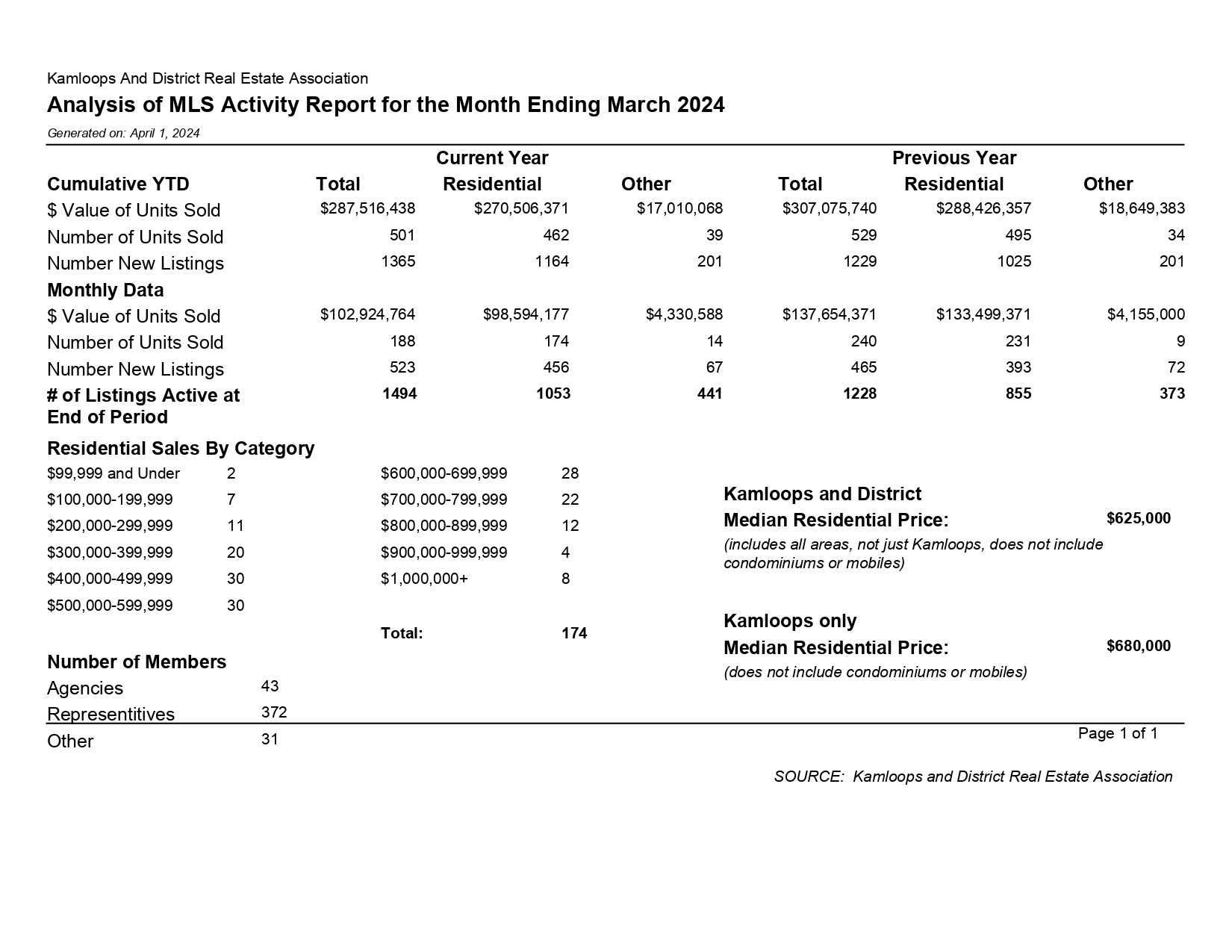
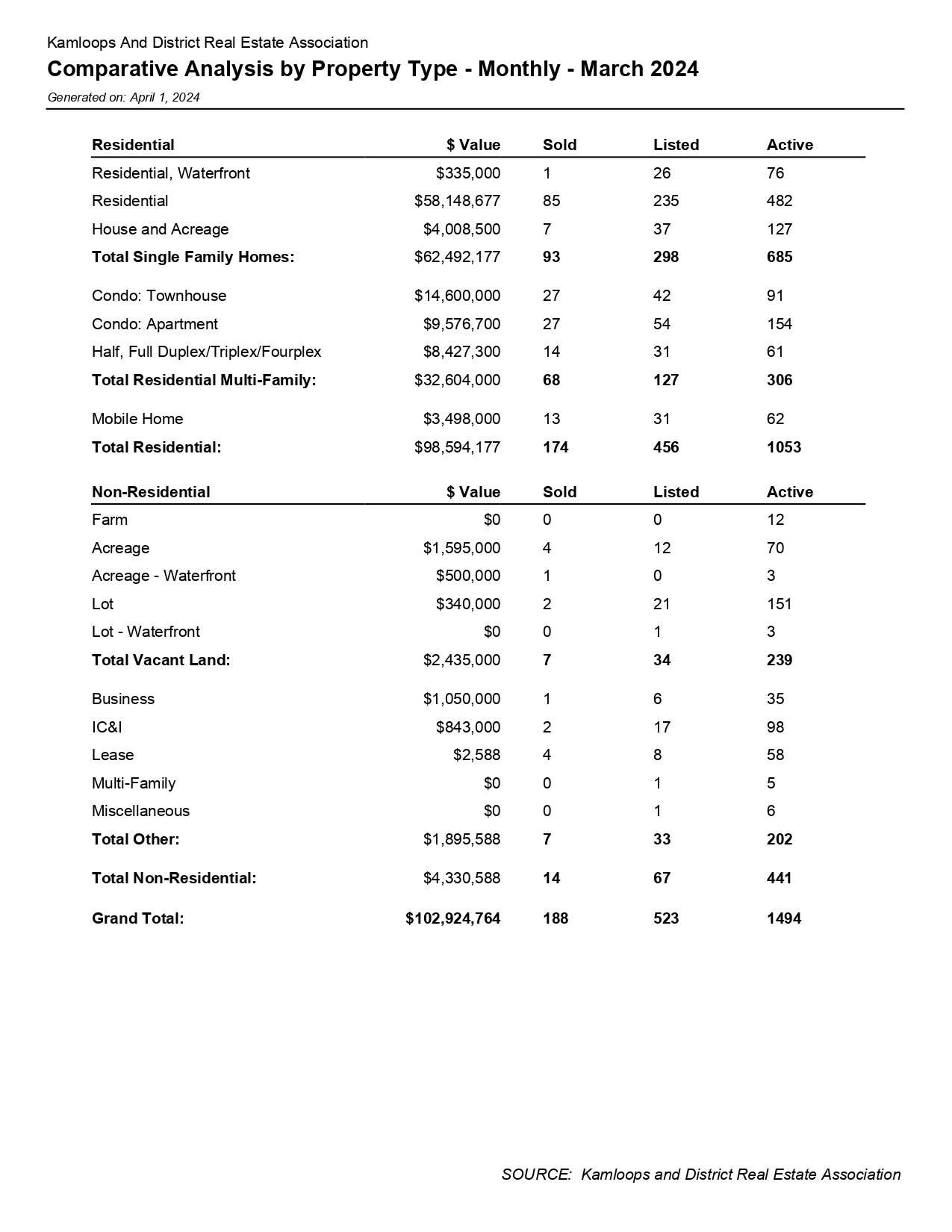
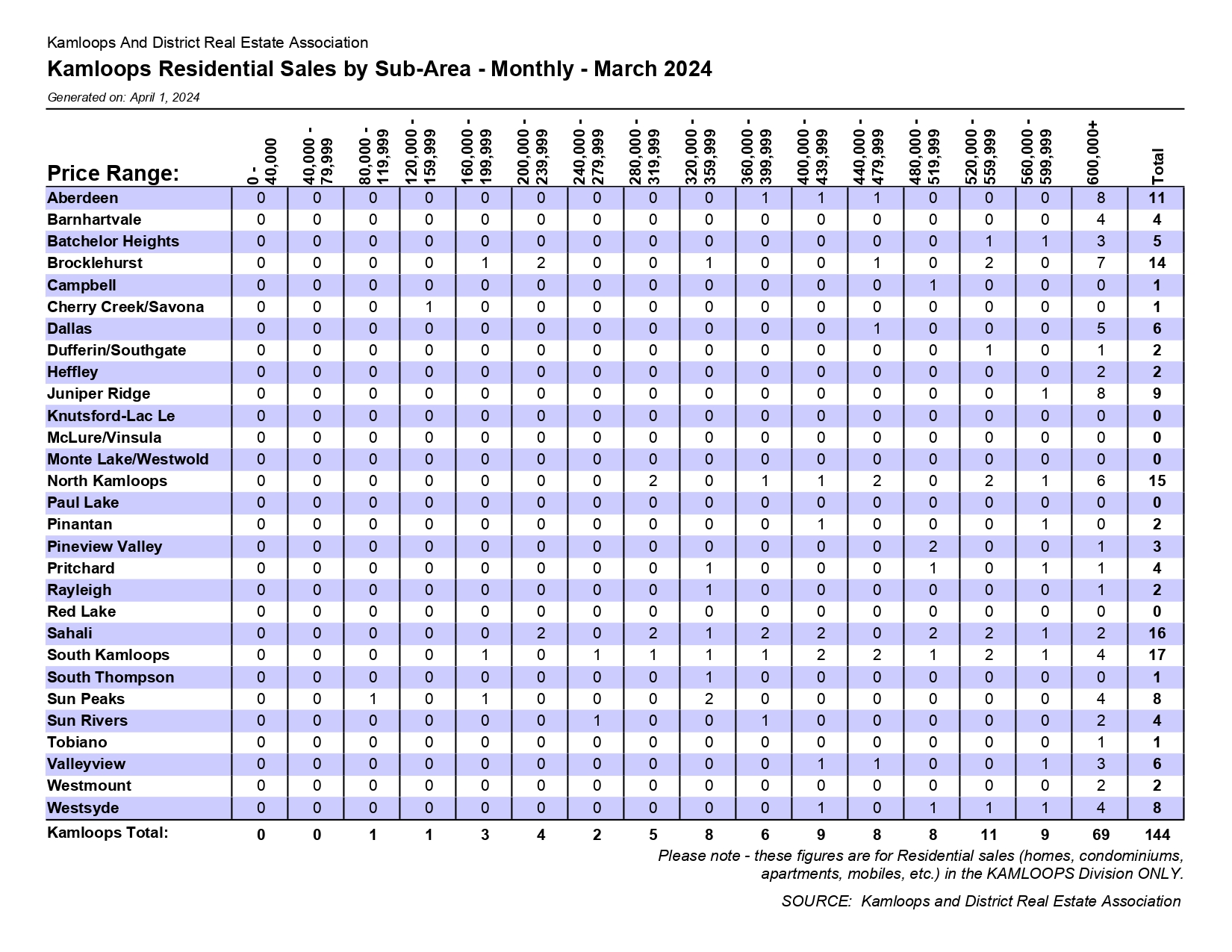
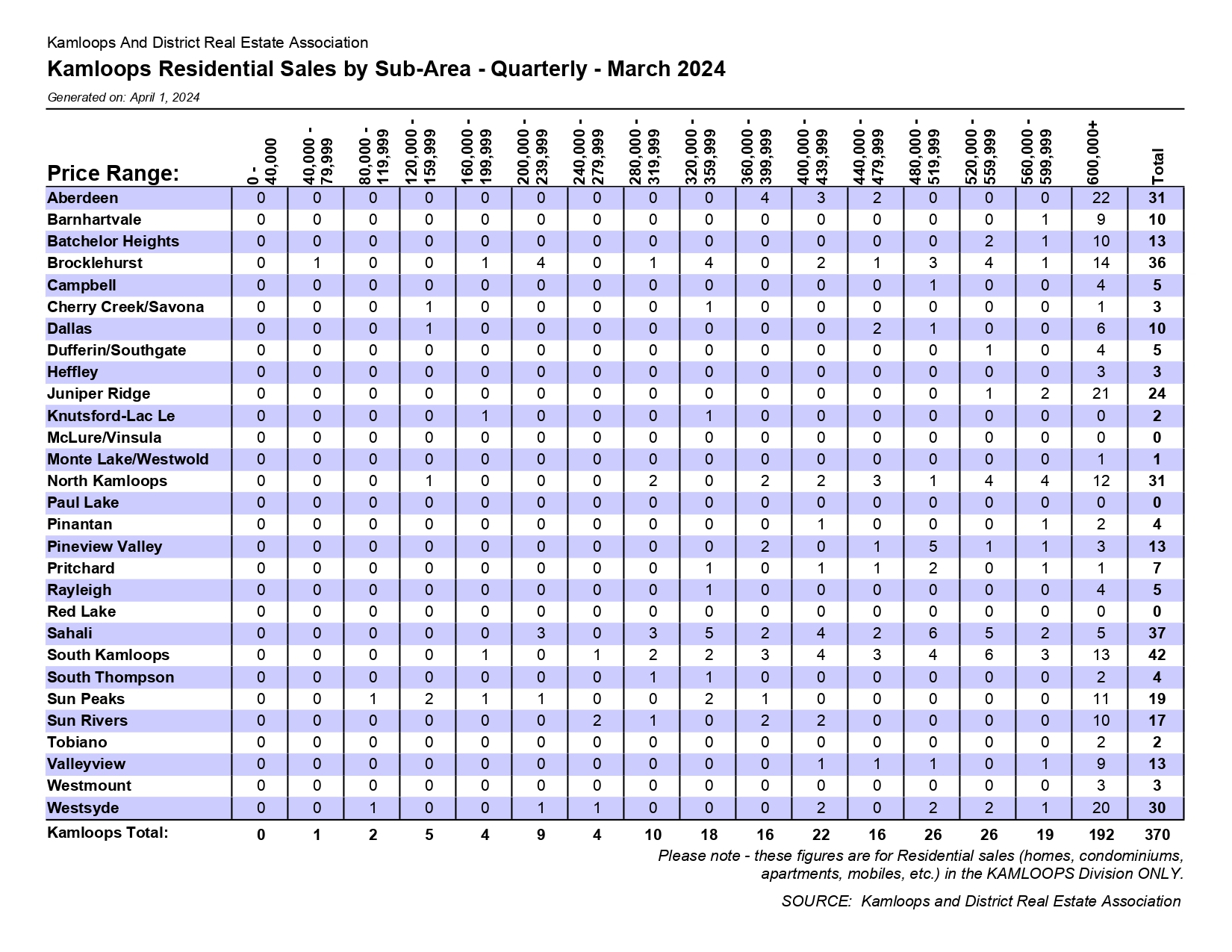
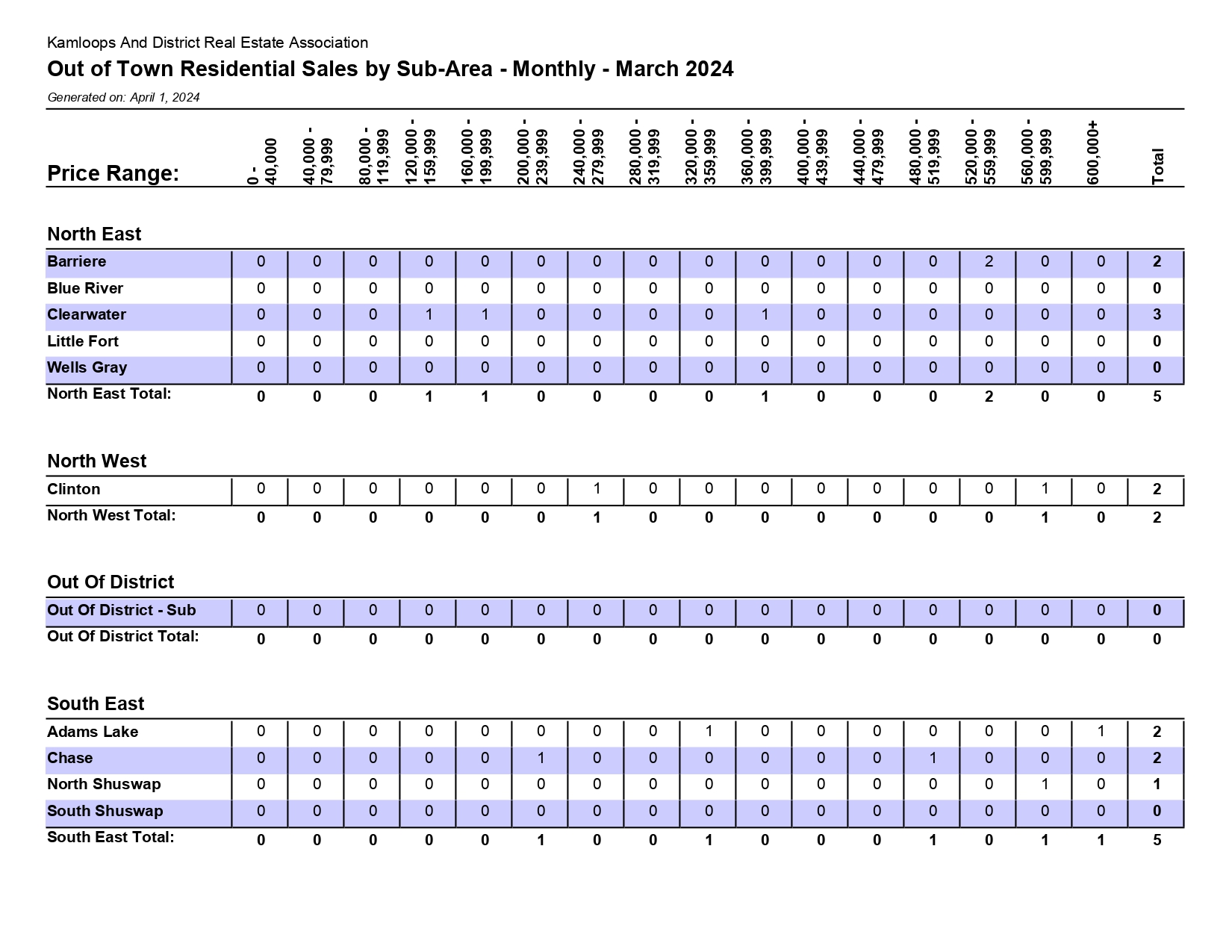
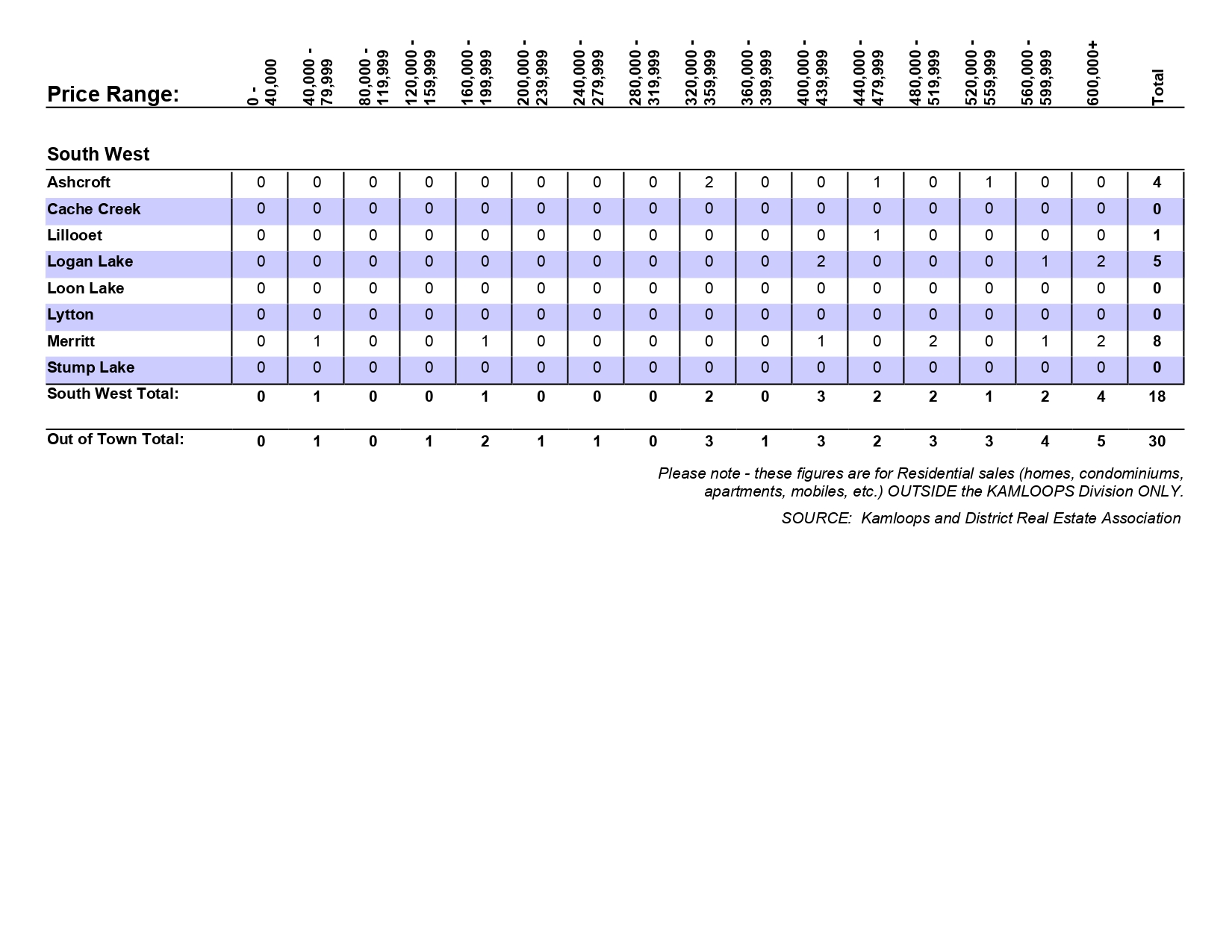
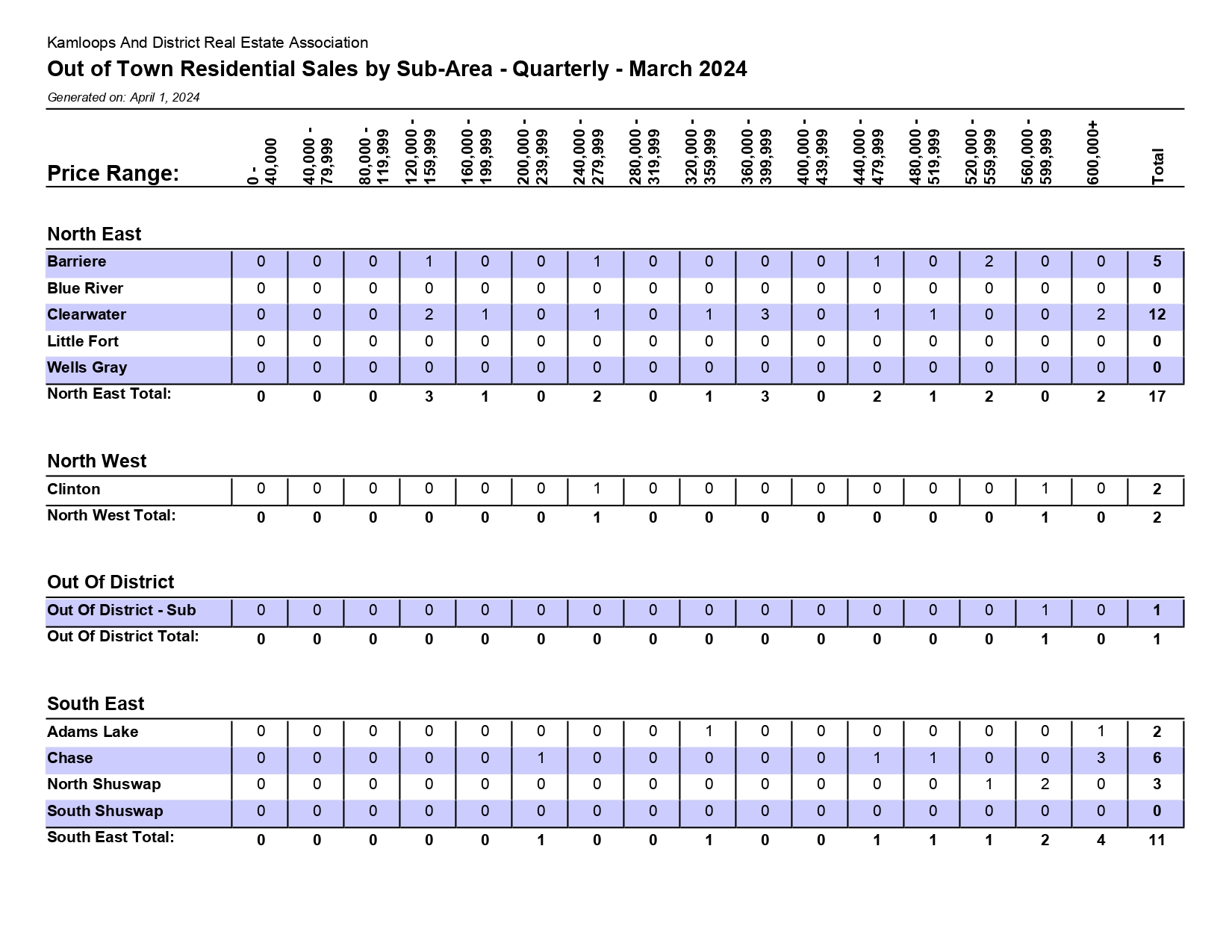
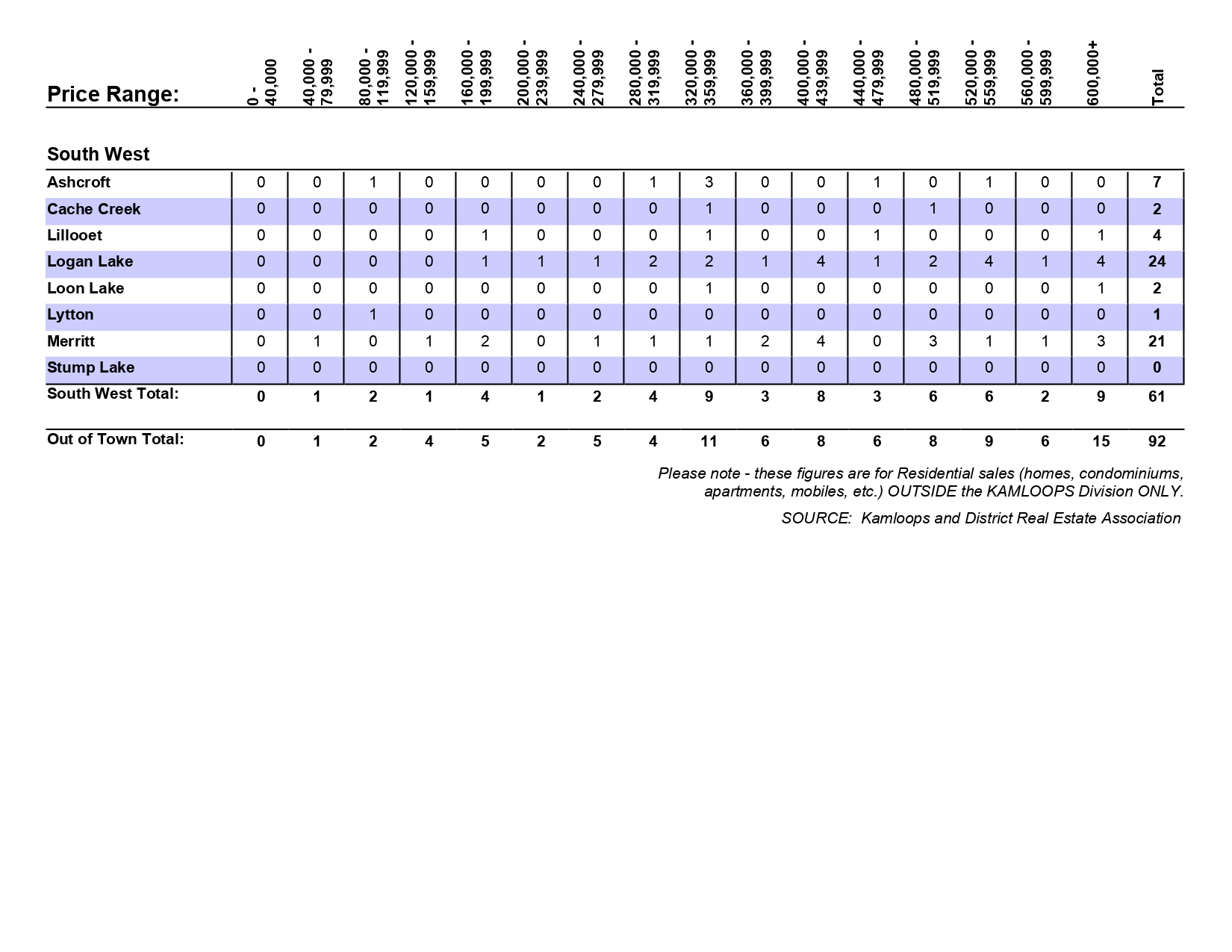
The Association of Interior Realtors has released the latest Statistics for December, Quarter 4 & Year End 2022. Click on the image below to enlarge or PDF documents included in the links below.

MLS Activity - Dec 2022 Kamloops Real Estate Statistics

PDF: MLS Activity – Dec 2022

Comparative Analysis by Property Type - Dec 2022 Kamloops Real Estate Statistics

PDF: Comparative Analysis by Property Type – Dec 2022

Comparative Analysis by Property Type - Annual - 2022 Kamloops Real Estate Statistics

PDF: Comparative Analysis by Property Type – Annual – 2022

Residential Sales by Sub-Area - Dec 2022Kamloops Real Estate Statistics

PDF: Residential Sales by Sub-Area – Dec 2022

Residential Sales by Sub-Area - Quarterly - Q4 2022 Kamloops Real Estate Statistics

PDF: Residential Sales by Sub-Area – Quarterly – Quarter 4 2022

Residential Sales by Sub-Area - Quarterly - Q4 2022 Kamloops Real Estate Statistics Kamloops Real Estate Statistics

PDF: Residential Sales by Sub-Area – Annual – 2022

Residential Sales by Sub-Area (Out of Town) - Dec 2022 Kamloops Real Estate Statistics Kamloops Real Estate Statistics

Residential Sales by Sub-Area (Out of Town) - Dec 2022 Kamloops Real Estate Statistics Kamloops Real Estate Statistics

PDF: Residential Sales by Sub-Area (Out of Town) – Dec 2022

Residential Sales by Sub-Area (Out of Town) - Quarter 4 2022 Kamloops Real Estate Statistics

Residential Sales by Sub-Area (Out of Town) - Quarter 4 2022 Kamloops Real Estate Statistics

PDF: Residential Sales by Sub-Area (Out of Town) – Quarter 4 2022

Market Summary - Dec 2022 Kamloops Real Estate Statistics

PDF: Market Summary – Dec 2022

Statistic Summary - Dec 2022 Kamloops Real Estate Statistics

Statistic Summary - Dec 2022 Kamloops Real Estate Statistics

PDF: Statistic Summary – Dec 2022 


For Previous Monthly, Quarterly & Annual Statistics click here.

To View our current listings click here

Carriage Houses and Garden Suites in Kamloops

Did you know that carriage suites and garden suites are permitted in many areas of Kamloops?

When buyers think of having a secondary suite they most often think of a basement suite but there are two other secondary residential suite options that are increasingly prevalent in the Kamloops housing market. These are carriage suites and garden suites. Many Buyers question whether a property would allow for a secondary detached suite. Here is a guide to help determine if a property or home you are looking to purchase would qualify to have a carriage home or garden suite.

What is a Carriage Home and Garden Suite and what is the difference?

Garden Suite

A garden suite is a self-contained secondary dwelling that is smaller than and an accessory to the main single family home. Garden suites are only permitted to be one storey in height and have a maximum allowable square footage of 861 square feet. Garden suites are permitted in a greater number of areas than are carriage suites.

Carriage Suite

This term is often used to describe a garden suite but is actually a different dwelling unit. In Kamloops, a carriage suite is a separate and self-contained secondary dwelling that is smaller than and an accessory to the main single family home. But, the main difference between this and a garden suite is that a carriage house can be two storeys tall and have a garage on the bottom storey. The maximum building footprint needs to be under 861 square feet but because a carriage house is two storeys tall the maximum living space can be 1022 square feet.

Where Are Garden and Carriage Suites Permitted?

According to the City of Kamloops Residential Suites Guide garden suites are permitted in the following zones:
• RS-1, RS-1S, RS-4, and RS-5
• RT-1, RT-2 (only Urban Residential lots, as per the OCP), and RT-3
• RM-2A • CD-1, and CD-5 (no suites on consecutive lots, corner lots, or lots fronting a cul-de-sac bulb)

Carriage suites are only permitted in the RS-1S zone. Carriage suites will only be considered where the property is one of the following:
• a double-fronting lot (a lot that fronts two streets)
• a corner lot with approved access from two street fronts
• a lot with lane (alley) access
• a lot that can accommodate a 4.5 m wide driveway to the carriage suite.

For garden and carriage suites a development permit and building permit is required as well as a final occupancy permit before the suite can be rented out.

Other Regulations of Note

Garden and carriage suites must abide by other regulations such as:

  • No living space permitted below the 200 year flood plain other than an entrance foyer.
  • The principal building, garden/carriage suite, and all other accessory buildings can not cover over 40% of the total lot area.
  • It is not permissible to have both a garden and carriage suite on the same single-family lot.
  • The carriage or garden suite building cannot cover more than 12% of the total lot area.
  • 40% of the front yard must be landscaped and vehicles cannot be parked in the landscaped area.
  • Suites are not permitted on lots with duplexes.

Parking

A single family home plus secondary suite must have at least 3 unstacked parking spaces, plus 40% of the front yard must be landscaped with no vehicles parked in the landscaped area. The requirement for 3 unstacked parking spaces does not mean that all of the parking spaces have to be located beside each other on the lot.

More Information

So if thinking of secondary suite options there may be more to consider than just a basement suite. A carriage or garden suite could make a great home for in-laws or a short/long term rental suite. Short term rentals are permitted within the city of Kamloops. For more information see the City of Kamloops Guide to Residential Suites or contact the planning and development department at 250-828-3561 or [email protected].

Canada’s Ban on Foreign Home Buyers Coming in January 2023

On January 1st, 2023 the Canadian Government is implementing a ban on foreign home buyers. Canadian citizens and permanent residents are exempt from the ban while other buyers have different rules based on their situation.

International students and foreign workers are permitted to purchase a property in Canada but they have restrictions they have to satisfy before being able to purchase. They are only permitted to purchase one property. For foreign workers they must have worked in Canada for three of the four years before buying a property. Students are required to be in Canada for 244 days each year for five years before buying and are not permitted to purchase anything over $500,000.

The intention of these restictions to to establish that the international students or foreign workers have an intention to become a permanent resident.

The non-citizens who can purchase a property in Canada without further restricions are: refugees, diplomats, foreign nationals with temporary resident status, consular staff and members of international organizintions living in Canada.

Non-Canadian entities and foreign controlled Canadian entities will be banned from buying property in Canada. This includes a non-Canadian who has a three per cent direct or indirect ownership interest in an entity or corporation.

The ban also doesn’t include properties in less populated areas and often this includes areas where recreational properties exist. The Kamloops area is subject to this legislation however a lot of the outlying areas are not included, such as the Shuswap Lakes region, North Thompson, South Okanagan (including Penticton & Kootenays). Here is a map showing the Census map showing the exempt areas.

These rules are also developed to target residential properties with three or less units. So any properties with four or more living quarters are not part of the exemption for foreign purchases. Properties that are part of the ban are detached homes that contain a private kitchen facility, private bath and private living area and a part of a building that is intended to be owned and used as a place of residence. This includes semi-detached homes, townhouses, condos and row houses.

The ban may not do much to calm prices in Canada, we saw such a huge influx of buyers into the market due to low interest rates and a low supply of homes to purchase. The number of foreign buyers in BC specifically is quite low. In 2020 the number of residential properties where one or more owners were a non-resident was 4.7%. In 2021 that dropped to 1.1%.

The ban on foreign buyers is for two years. If any person or entity that knowingly assists a non-Canadian in the purchase of a property they can be fined up to $10,000 and the property may be forced to be sold.

1 50 51 52 53 54 224