Kamloops home owners have you considered the dangers of carbon monoxide? Carbon monoxide, an odorless, colorless gas, is a byproduct of combustion processes in furnaces, fireplaces, appliances, charcoal grills and vehicles that use fossil fuels. It can be dangerous.
A proper exhaust and venting system safely removes this by-product from the home. To keep heating systems and gas or wood burning appliances working well, have them checked annually. Installing carbon monoxide detectors near sleeping areas and in each bedroom can provide another level of safety.
According to Health Canada, the elderly and those with respiratory or heart conditions may react poorly to even low levels of CO poisoning. If you suspect a carbon monoxide problem, follow these tips from the Canadian Mortgage and Housing Corporation. If an obvious source of carbon monoxide is not present:
Evacuate all occupants.
If anyone has flu-like symptoms, call 911; if there are no health problems, call your gas utility, heating contractor or the fire department to have your house tested.
Have a qualified service technician inspect and repair any problems.
Do not re-occupy the house unless those who tested the house inform you that it is safe.
The best thing to do to prevent any potential health risks or death is install carbon monoxide detectors in your home. You can purchase them from many local businesses here in Kamloops.
If you have any questions about carbon monoxide or anything related to home inspections contact me directly or post your question here.
Todd Hrycenko, Global Property Inspections[email protected] 250-371-2787
It is essential that you are aware of the costs associated with a Kamloops home purchase. It is important to speak with a mortgage professional before shopping for a home; this will allow you to shop within a price range that is realistic for your situation. At the same time, make sure you are prepared financially for the standard costs associated with a purchase of real estate.
Some of these costs may include:
Deposit: Once you have an accepted offer on a place, there is generally a five to ten business day period to remove subjects (ie. Inspection, financing, etc.) Once those subjects have been satisfied, you are required to put down a deposit on the property. This amount varies, so make sure to ask your Realtor.
Property Purchase Tax: If you are a first time home buyer and you meet the qualifications, this does not apply to you. However, if you have ever owned property, anywhere in the world, this tax will be charged on your purchase completion date. You calculate the amount by taking 1% of the first $200,000 and then 2% of anything over that.
GST: When purchasing a brand new property, GST will be charged. Your realtor will advise you of this amount, and it does not apply to used homes.
Closing/Legal Fees: Be prepared for a legal bill of approximately $1000 for a standard purchase or sale. If you are buying and selling at the same time, budget approximately $2000 for this expense.
Property Tax Adjustment: This is calculated at the lawyers office. A person is always responsible for the property taxes due during the time lived in the home.
Appraisal: Depending on the lender and how much money you have down, an appraisal of the property may be required. A standard, residential appraisal will run between $250-$350, and is due at the time of appraisal. Different properties will have a higher cost, so ask your mortgage professional once you have decided on a property.
Insurance Premium (If Applicable): In Canada, if you are financing a property to more than 80% of the property value, the mortgage needs to be insured (This is called a “high ratio” mortgage). This is generally done through CMHC, Genworth Financial, or AIG. They charge an insurance premium that is added to your total mortgage. The percentage that you pay will vary depending on how much money you have down and how straight forward the approval is. If you have a 20% down payment or you are refinancing to no more than 80% of the property value, a fee is generally not charged. A typical fee ranges from 1.75% to 3.10% of the mortgage amount.
It is essential to get pre-approved before making a commitment to purchase a home in Kamloops. If you have any questions for me about mortgages don’t hesitate to post a comment here or contact me directly.
I recently returned from the Natural Resources Canada ecoEnergy Adviser training in Saskatoon. Being an ecoEnergy Adviser means that in addition to doing home and commercial property inspections in Kamloops and the interior I will also be performing the energy evaluations that help people to access all the government grants and incentives now available.
This program is really a wonderful opportunity for people to upgrade their real estate holdings with more energy efficient furnaces, air conditioners, heat pumps, tank less water heaters (hot water on demand), improved insulation, new windows, low flush toilets and a whole host of other EnergyStar products. The benefit is some of the costs will be offset by the provincial and federal governments. It’s win win – you help the environment, save yourself a bunch of money in heating and cooling costs, and the government helps you pay for it.
This program is available to both home owners and renters of single family homes, townhouses, and low rise multifamily homes. You don’t even have to live in the house to qualify for the grant, it’s open to landlords as well.
For more info on the program and the combined BC and Federal grants go to the LiveSmart BC website. Also, CMHC insured homes are eligible for a 10% mortgage insurance refund when they meet certain ecoEnergy targets. See the CMHC website for further information.
Don’t forget this money is over and above the federal home renovation tax credit that can earn you up to $1350 back on your tax return. With all these programs in place, there has never been a better time to renovate your home here in Kamloops. All these energy saving renovations are beneficial to both home owners wanting to stay in their home long-term and home owners selling their home. These upgrades will really help showcase your home and make it much more attractive to potential buyers in a very competitive real estate market.
Todd Hrycenko, Global Property InspectionsPhone: 250-371-2787 [email protected]
The Kamloops area has a number of recreational properties and lakefront real estate. There are many lakes surrounding the Kamloops area: Adams Lake, the Barriere Lakes, Heffley Lake, Knouff (Sullivan) Lake, Lac Le Jeune, Logan Lake, Nicola Lake (Merritt), Paul Lake, Pinantan Lake, the Shuswap Lakes and Stump Lake.
Adams Lake: This beautiful lake is located 55 minutes north east of Kamloops or 30 minutes north of Chase. Adams lake is a very large sprawling lake where many visitors enjoy cycling, windsurfing, water skiing, wake boarding, swimming, canoeing and fishing. Many fish for kokanee and rainbow trout in this lake.
There are a number of properties on this popular lake often found on Agate Bay Road, Rawson Road and Holding Road. There is a large provincial park on Adams lake with basic campground facilities.
East and North Barriere Lakes: East and North Barriere Lakes are located 50 minutes north east of Kamloops and 15 minutes from Barriere city centre. North Barriere Lake is less developed than it’s neighbour East Barriere. To reach each lake you travel on a maintained gravel forestry service road. East Barriere is approximately 5 km of dirt road travel and North Barriere is over 20 km depending on the final destination at the lake. Both lakes are quite sought after for summer visitors, East Barriere has a small forestry campsite while North Barriere has a recreational site with a few more services. Each lake has a public boat launch for access. These lakes do allow power boats for wakeboarding, surfing, tubing and skiing. Due to their high altitude they tend to get a decent amount of snow in the winter allowing for great winter enjoyment.
To view available listings at Adams Lake, North Barriere Lake and East Barriere Lake click here.
Little & Big Heffley Lakes: These lakes are very popular because of their close proximity to both Kamloops and Sun Peaks resort. There are recreational properties on both Big Heffley Lake and Little Heffley Lake. Little Heffley lake does not allow power boats for water skiing or wake boarding as it is quite small. Big Heffley Lake does allow power boats which makes it a very popular destination for the summer months.
There are a number of homes on Big Heffley as well as acreage properties that are minutes from the lake.
Knouff (Sullivan) Lake: This lake is 40 minutes north of Kamloops and 30 minutes from the Sun Peaks Resort. Knouff or Sullivan lake is a quiet area where many recreational activites are enjoyed year round.
This lake is more of a fishing lake. Water sports such as tubing and waterskiing are not commonly done on this lake due to the size. There are a number of waterfront and semi-waterfront properties on this lake.
Lac Le Jeune: Lac Le Jenue is located 25 minutes west of Kamloops, 30 minutes east of Merritt and 15 minutes south of Logan Lake. This lake is located off of the Coquihalla Highway making it easily accessible during all seasons. Lac Le Jeune is 392 acres and is stocked with rainbow trout. There are two resorts on this lake, numerous seasonal homes and also year round residences.
The Lac Le Jeune Resort offers accommodations to accommodate all group sizes. They also host events, weddings and retreats.
To view properties and homes for sale on Lac Le Jeune click here.
Logan Lake: This small lake is located 30 minutes outside of Kamloops and 40 minutes from Merritt. Logan Lake is a small community that has many services and amenities for it’s residents including numerous shops, restaurants, an elementary and secondary school. There are a number of winter and summer activities to enjoy such as golf, fishing, cross country skiing, snowmobiling, dirt biking, hiking and paddling to name a few.
For more detailed information about Logan Lake properties for sale click here.
Nicola Lake: This lake is located in Merritt (10 km from city centre), and 45 minutes south east of Kamloops. Nicola Lake is a very large lake covering 15,351 acres. There are a lot of rainbow trout and kokanee for those who enjoy freshwater sports fishing. Windsurfing, canoeing, wake boarding, water skiing, fishing, hiking, horseback riding and mountain biking are a few of the popular activities enjoyed around this lake.
There are a number of lots and homes that are located on the waterfront.
To view available properties for sale on this lake click here.
Paul Lake: Paul Lake is located 15 minutes east of Kamloops. Paul lake has numerous residents that are seasonal and year round. There are a number of townhouses (Deerwood on Paul Lake) and single family homes on the lake. Many of the single family homes and private properties on Paul Lake are leasehold properties which the Kamloops Indian Band leases out for 25 year terms.
There are a few properties that are not located on leasehold land, but tend to be more expensive than the leasehold homes. There are a lot of activities to enjoy such as hiking, water skiing, wake boarding, fishing, swimming and paddling.
To view the current MLS listings for Paul Lake click here.
Pinantan Lake: Pinantan Lake is 25 minutes north east of Kamloops and 5 minutes past Paul Lake. The lake itself is two parts, Big Pinantan and Little Pinantan. The lake is 68 hectares in size. Pinantan properties are freehold properties not lease land. Only electric powered boats are allowed on the lake. Fishing and swimming are permitted in Pinantan lake. There are also hiking trails and other outdoor activities in and around the area to enjoy year round.
There are often many properties for sale in Pinantan, lots, log homes, small acreages and lakefront homes.
Click here to find out more about properties for sale in this area.
The Shuswap Lakes: Shuswap Lake is a very large lake network with numerous arms reaching a number of cities in the Interior. Shuswap Lake is named after the Shuswap Indians an Interior Salish tribe. This lake is the largest lake in the area with hundreds of kilometers of shoreline with hidden coves and beaches. Little Shuswap extends off of the north western arm of the main arm of the Shuswap lake. The cities and communitites that surround the shoreline of this lake include Salmon Arm, Sicamous, Chase, Seymour Arm, Balmoral, St. Ives, Blind Bay, Carlin, Magna Bay, Scotch Creek, Eagle Bay, Notch Hill, Skimikin, Anglemont, Celista, Lee Creek, Sorrento, Sunnybrae, Canoe, Tappen, White Lake and Wild Rose Bay.
Real estate in and around the Shuswap lake area is very popular for both year round and seasonal residents. There are a lot of beautiful building lots, apartments, townhomes, single family homes and estates that surround this large lake system. Since this area is so large there are often a lot of properties to choose from. Shuswap Lake has many summer cabins that sit on the desirable waterfront but not all areas are serviced by sewer and hydro.
Click here to view homes, properties and lakefront real estate in the Shuswap Lake area.
Stump Lake: This lake is a smaller lake situated between Kamloops and Merritt on the Old Merritt Highway #5 and is 780 hectares or 1,927 acres in size. There are rainbow trout, brook trout and kokanee in this lake. This lake is relatively quiet during the summer months. Stump Lake does have public access to the lake to launch a boat or have a summer picnic. Stump Lake has a number of homes around the shoreline and in the surrounding hills.
Many of the properties here are very peaceful, set in the wilderness and have beautiful views of the lake valley.
To search for recreational properties, lakefront homes and real estate in and around the Kamloops area click here.
Do you have questions about recreational properties in the Kamloops region? We can help! We have sold a number of recreational properties all over our region. Reach out with any questions you have!
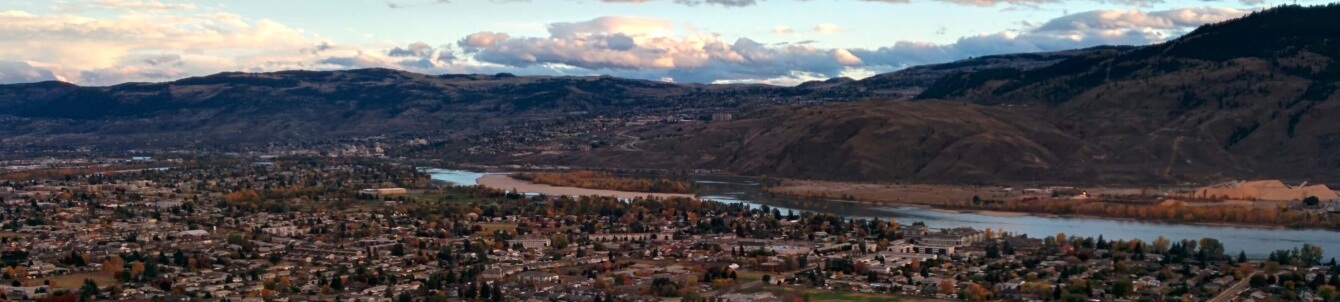

 Kamloops home owners have you considered the dangers of carbon monoxide? Carbon monoxide, an odorless, colorless gas, is a byproduct of combustion processes in furnaces, fireplaces, appliances, charcoal grills and vehicles that use fossil fuels. It can be dangerous.
 It is essential that you are aware of the costs associated with a Kamloops home purchase. It is important to speak with a mortgage professional before shopping for a home; this will allow you to shop within a price range that is realistic for your situation. At the same time, make sure you are prepared financially for the standard costs associated with a purchase of real estate.
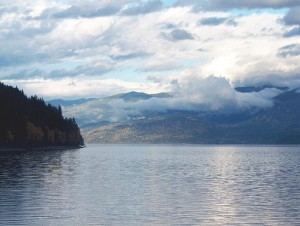 Adams Lake: This beautiful lake is located 55 minutes north east of Kamloops or 30 minutes north of Chase. Adams lake is a very large sprawling lake where many visitors enjoy cycling, windsurfing, water skiing, wake boarding, swimming, canoeing and fishing. Many fish for kokanee and rainbow trout in this lake.
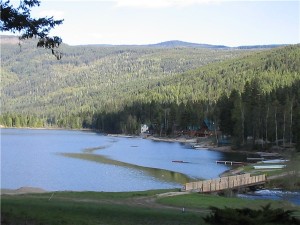 East and North Barriere Lakes: East and North Barriere Lakes are located 50 minutes north east of Kamloops and 15 minutes from Barriere city centre. North Barriere Lake is less developed than it’s neighbour East Barriere. To reach each lake you travel on a maintained gravel forestry service road. East Barriere is approximately 5 km of dirt road travel and North Barriere is over 20 km depending on the final destination at the lake. Both lakes are quite sought after for summer visitors, East Barriere has a small forestry campsite while North Barriere has a recreational site with a few more services. Each lake has a public boat launch for access. These lakes do allow power boats for wakeboarding, surfing, tubing and skiing. Due to their high altitude they tend to get a decent amount of snow in the winter allowing for great winter enjoyment.
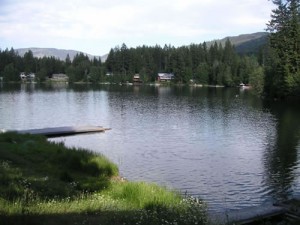 Little & Big Heffley Lakes: These lakes are very popular because of their close proximity to both Kamloops and Sun Peaks resort. There are recreational properties on both Big Heffley Lake and Little Heffley Lake. Little Heffley lake does not allow power boats for water skiing or wake boarding as it is quite small. Big Heffley Lake does allow power boats which makes it a very popular destination for the summer months.
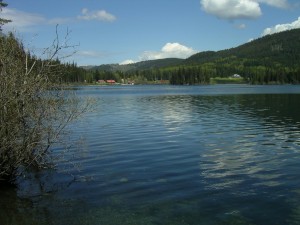 Knouff (Sullivan) Lake: This lake is 40 minutes north of Kamloops and 30 minutes from the Sun Peaks Resort. Knouff or Sullivan lake is a quiet area where many recreational activites are enjoyed year round.
 Lac Le Jeune: Lac Le Jenue is located 25 minutes west of Kamloops, 30 minutes east of Merritt and 15 minutes south of Logan Lake. This lake is located off of the Coquihalla Highway making it easily accessible during all seasons. Lac Le Jeune is 392 acres and is stocked with rainbow trout. There are two resorts on this lake, numerous seasonal homes and also year round residences.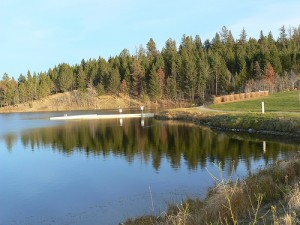
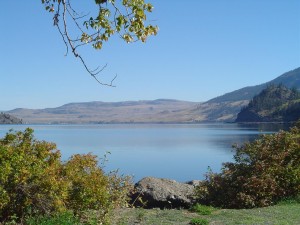 Nicola Lake: This lake is located in Merritt (10 km from city centre), and 45 minutes south east of Kamloops. Nicola Lake is a very large lake covering 15,351 acres. There are a lot of rainbow trout and kokanee for those who enjoy freshwater sports fishing. Windsurfing, canoeing, wake boarding, water skiing, fishing, hiking, horseback riding and mountain biking are a few of the popular activities enjoyed around this lake.
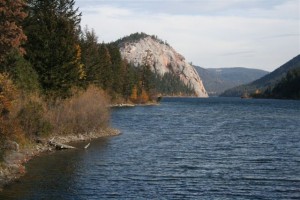 Paul Lake: Paul Lake is located 15 minutes east of Kamloops. Paul lake has numerous residents that are seasonal and year round. There are a number of townhouses (Deerwood on Paul Lake) and single family homes on the lake. Many of the single family homes and private properties on Paul Lake are leasehold properties which the Kamloops Indian Band leases out for 25 year terms.
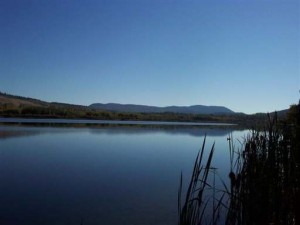 Pinantan Lake: Pinantan Lake is 25 minutes north east of Kamloops and 5 minutes past Paul Lake. The lake itself is two parts, Big Pinantan and Little Pinantan. The lake is 68 hectares in size. Pinantan properties are freehold properties not lease land. Only electric powered boats are allowed on the lake. Fishing and swimming are permitted in Pinantan lake. There are also hiking trails and other outdoor activities in and around the area to enjoy year round.
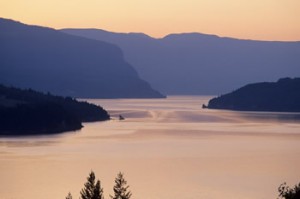 The Shuswap Lakes: Shuswap Lake is a very large lake network with numerous arms reaching a number of cities in the Interior. Shuswap Lake is named after the Shuswap Indians an Interior Salish tribe. This lake is the largest lake in the area with hundreds of kilometers of shoreline with hidden coves and beaches. Little Shuswap extends off of the north western arm of the main arm of the Shuswap lake. The cities and communitites that surround the shoreline of this lake include Salmon Arm, Sicamous, Chase, Seymour Arm, Balmoral, St. Ives, Blind Bay, Carlin, Magna Bay, Scotch Creek, Eagle Bay, Notch Hill, Skimikin, Anglemont, Celista, Lee Creek, Sorrento, Sunnybrae, Canoe, Tappen, White Lake and Wild Rose Bay.
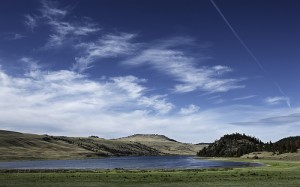 Stump Lake: This lake is a smaller lake situated between Kamloops and Merritt on the Old Merritt Highway #5 and is 780 hectares or 1,927 acres in size. There are rainbow trout, brook trout and kokanee in this lake. This lake is relatively quiet during the summer months. Stump Lake does have public access to the lake to launch a boat or have a summer picnic. Stump Lake has a number of homes around the shoreline and in the surrounding hills.