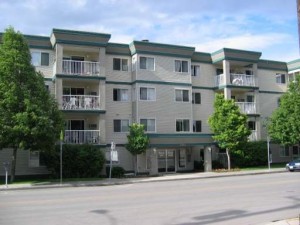
Pleasant & well maintained unit in Manor house. Located minutes to shopping, transportation, hospital & all downtown amenities. Spacious & open 2 bedroom unit with 2 full 4 piece bathrooms. Sliding glass door to covered conservatory. Some recent updates done. Level entry. Secure underground parking with 1 stall (#32). Large laundry room with extra storage. 55+ complex. No pets or rentals. All appliances included.
To view all homes for sale in Kamloops click here.
This article came from Royal LePage Canada and was published on May 20th, 2011.
Bullish attitude toward recreational properties reflects recent strength of housing market, according to Royal LePage.
TORONTO, May 20, 2011 – An overwhelming majority of Canadians who have either purchased or who intend to buy recreational property in the next 24 months believe that buying a vacation home is a good long-term investment, according to a nationwide survey of Canadian attitudes towards recreational property ownership commissioned by Royal LePage Real Estate Services and run on the Angus Reid Forum.
Overall, the survey found that 89 per cent of current owners and prospective buyers agree that recreational properties are a good long-term investment. Broken down by region, this included 92 per cent of respondents from Alberta, 91 per cent of Ontarians, 87 per cent of BC residents and 81 per cent of people surveyed in Quebec.
When respondents were asked to compare recreational properties to the stock market in terms of providing a larger financial return on investment, 50 per cent said recreational properties provided a larger return. Only 29 per cent replied investing in the stock market, while 21 per cent were undecided.
“Canadians’ confidence in recreational property values is mirroring what we have been seeing in Canada’s urban centres,” said Phil Soper, president and chief executive, Royal LePage Real Estate Services. “This spring, the horror stories from some fundamentally flawed international housing markets that had dampened demand for cottage-type living during the recession era, are being shrugged off. Canada’s traditionally buoyant recreational property market appears to have found its groove once more.”
Interestingly, a majority of respondents (57 per cent) said that the expectation of interest rates rising will not affect their desire to purchase a recreational property. Among this group, 55 per cent of respondents aged 35-54 (and 70 per cent of respondents aged 55+) said an expected rise in interest rates would not affect their desire to purchase a recreational property.
When it came to financial and lifestyle sacrifices to purchase a recreational property, more than a third polled (35 per cent) responded that they were most likely to reduce personal spending throughout the year. The two least favoured strategies were to drive as far as necessary and to make the recreational property a primary residence, both 13 per cent.
“Relentlessly wet and miserable weather has delayed the 2011 buying season in some regions of the country. But while weather delays intent, it doesn’t change it. The Royal LePage Recreational Property Report shows that the steadily improving economy has stoked consumer confidence which should impact demand positively. We expect to see considerable activity in the coming months – especially in higher-end and luxury segments,” added Soper.
More than half (51 per cent) of those polled said they are, or will be, renting out their property to offset their mortgage and other associated costs. However, many of those willing to rent plan to be selective (32 per cent) and only rent their recreational property to someone who have been referred by someone they knew.
“We are seeing more buyers purchase properties with the intent to offer them as rentals. This cost-offset strategy may allow younger families to acquire a cottage earlier in their lives than they would otherwise, and others may be able to buy in a region that would have been out of their reach, price-wise. The purchase motivation for most is not financial planning. It remains lifestyle driven – satisfying the needs and wants of their family,” said Soper. “In fact, 92 per cent of those we polled agreed that a recreational property is a great way to bring family together.”
The survey was commissioned as part of the 2011 Royal LePage Recreational Property Report, an annual market analysis of recreational property prices, trends and activity in selected leisure markets across the country.
The chart below shows the typical price range for standard waterfront, land-access properties across Canada in 2011. Selected regional findings: (to view all regions click here)
British Columbia
According to respondents from BC, the most important features of a recreational property are four-season use and quiet (tied at 43 per cent) and proximity to amenities and rental potential (tied at 31 per cent).
Eighty-five per cent of respondents from BC either somewhat agree or strongly agree that a recreational property is a great way to bring family together (seven per cent below the national average of 92 per cent and lowest in the country).
Comfortable 2 bedroom mobile home on 20 private acres. Enjoy each day with incredible views in every direction. This home has been well maintained & offers plenty of natural light in the living & family rooms. Outbuildings include a workshop or garage, carport & plenty of room for recreational vehicles. Property is fenced & is only 15 minutes to Kamloops.
To view all homes for sale in Kamloops click here.
This article was written by the Canadian Real Estate Association (CREA) on May 9, 2011.
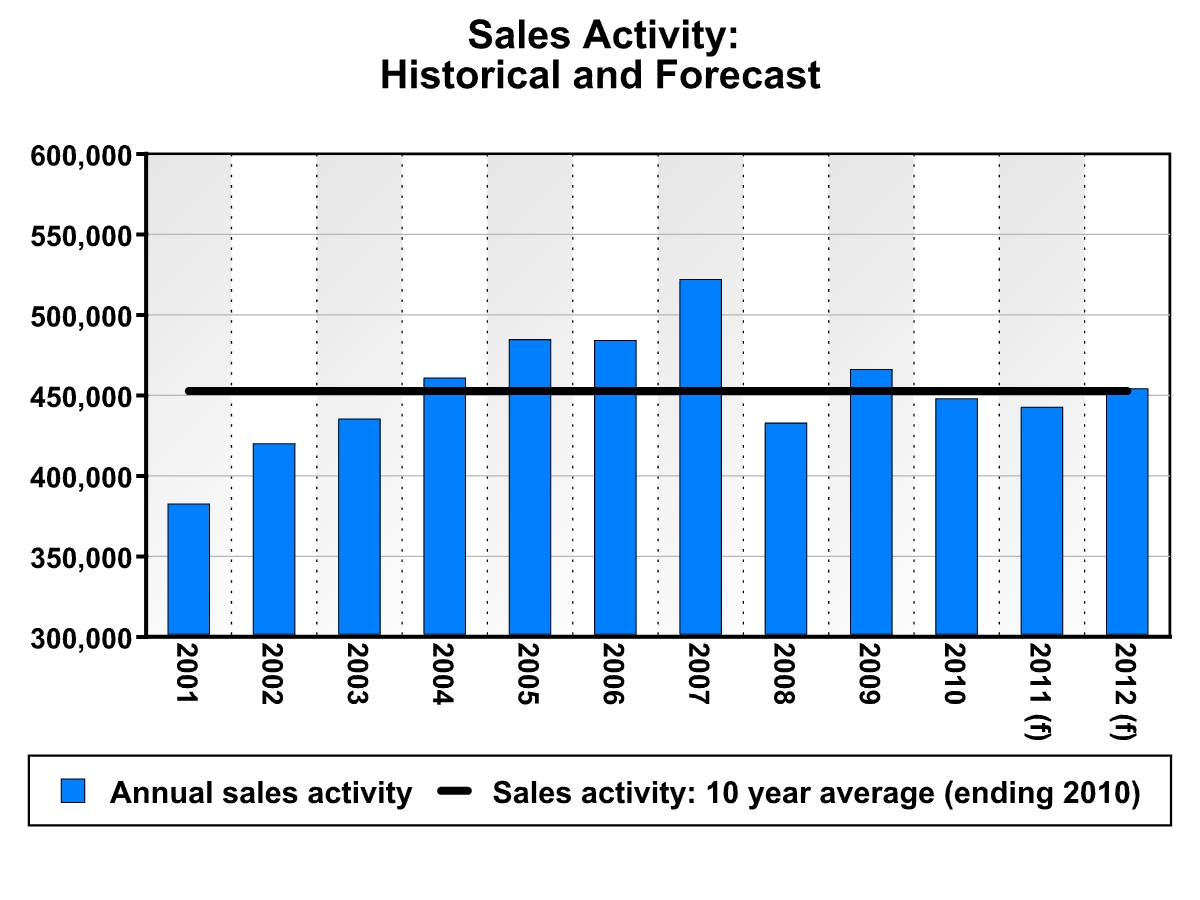
The Canadian Real Estate Association (CREA) has revised its forecast for home sales activity via the Multiple Listing Service® (MLS®) Systems of Canadian real estate Boards and Associations for 2011 and 2012.
Click to Enlarge
National sales activity is now expected to reach 441,100 units in 2011, a decline of 1.3 per cent from 2010. This is a slight improvement from the 1.6 per cent decline forecast by CREA in February, due to stronger than expected activity in British Columbia in the first quarter of 2011.
“Home buyers expect mortgage interest rates to rise and are mindful of their current and future debt levels. They’re doing their homework to better understand how their mortgage payments and family budget might change down the road before they make an offer,” said Gary Morse, CREA President. “That said, even though mortgage rates have increased recently, they remain very attractive and are keeping financing within reach for many homebuyers,” added Morse. “Some housing markets are hotter than others, so buyers and sellers would do well to consult their local REALTOR® to understand how supply, demand and prices are evolving in their housing market.”
In 2012, CREA forecasts that national sales activity will rebound by 2.6 per cent to 452,500 units. This is little changed from the previous forecast, and stands roughly on par with the ten year average for annual activity.
Although sales activity in the first quarter of 2011 came in largely as expected, multi-million dollar property sales in Greater Vancouver have surged unexpectedly. These sales have upwardly skewed average sale prices for the province and nationally, prompting the average price forecast to be revised higher.
The national average home price is forecast to rise four per cent in 2011 and nine-tenths of a per cent in 2012, to $352,500 and $355,800 respectively. This marks an increase from the previous forecast, and underscores the significant effect that investment in British Columbia is and will have on national results.
“As expected, recent changes to mortgage regulations brought forward some sales activity into the first quarter that would have otherwise occurred later in the year, particularly in some of Canada’s more expensive housing markets,” said Gregory Klump, CREA’s Chief Economist. “This is likely to result in a milder version of the volatility in sales activity that we saw last year.”
CREA expects home sales activity to regain traction after dipping in the second quarter as economic recovery and hiring continues. “While interest rates are expected to rise later this year, they will still be within short reach of current levels and remain supportive for housing market activity,” said Klump. “Continuing job growth will underpin housing demand, keeping the housing market in balance and stabilizing home prices.”
“The extent to which high priced sales activity in Vancouver will pitch up the average price locally, for British Columbia and nationally will likely diminish in the next couple of months in line with a seasonal increase in national activity,” Klump added. “That said, foreign investment in Vancouver residential real estate is showing no signs of slowing, so it seems likely to remain a prominent market feature for some time.”

 Pleasant & well maintained unit in Manor house. Located minutes to shopping, transportation, hospital & all downtown amenities. Spacious & open 2 bedroom unit with 2 full 4 piece bathrooms. Sliding glass door to covered conservatory. Some recent updates done. Level entry. Secure underground parking with 1 stall (#32). Large laundry room with extra storage. 55+ complex. No pets or rentals. All appliances included.
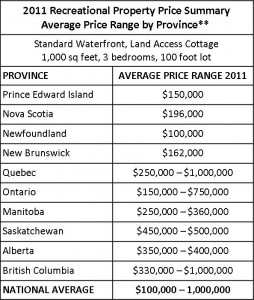 Selected regional findings: (to view all regions
  Comfortable 2 bedroom mobile home on 20 private acres. Enjoy each day with incredible views in every direction. This home has been well maintained & offers plenty of natural light in the living & family rooms. Outbuildings include a workshop or garage, carport & plenty of room for recreational vehicles. Property is fenced & is only 15 minutes to Kamloops.