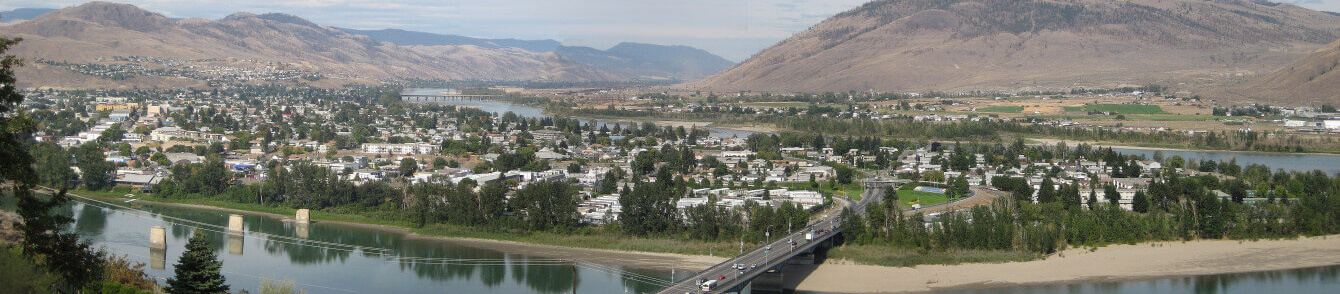
Pharmacist Investing $8 Million in North Shore Project: Kamloops, The Daily News
This article appeared on the Kamloops Daily News on December 12th, 2011 and was written by Catherine Litt.
A couple of weeks ago, Daily News reader Aileen Adams asked our Readers’ Reporter to track down the status of three empty lots on Tranquille Road.
The properties, all deep in the heart of the North Shore’s business district, have been vacant for years and Adams was curious to know if anything would ever come of them.
As it turns out, one of the properties has already begun a major transformation since Adams inquired.
It’s at the corner of Tranquille Road and Wood Street and is owned by Missagh Manshadi, a Kamloops pharmacist who also holds a smaller corner property at Tranquille and Elm.
“It’s going to be the jewel of the North Shore,” Manshadi said on Monday, as he described his plans for a mixed-use development called Carmel Place, now under construction at Tranquille and Wood.
When it’s finished in 15 months, Carmel Place will have commercial/office/retail space on the bottom and 38 units of affordable rental housing on top, managed by the non-profit Door to Roof Society.
The project is expected to cost Manshadi up to $8 million, but it’s money he’s convinced is a good investment.
“My plan was to somehow give back to the city in two ways,” said Manshadi, “by helping the North Shore community but also helping to provide reasonable apartments for rent.”
The Carmel Place development comes at a time of renewed interest in the North Shore core. Across the street from Manshadi’s project, the owners of the former Village Hotel are in the midst of transforming their building into the new Northbridge Hotel and Suites, which will market itself to visiting sports teams.
Just a few blocks north, the latest phase of the Library Square development is underway.
“We’re ready to go,” North Shore Business Improvement Area manager Peter Mutrie said of the increased activity.
“Now’s the time to buy in, because when it goes, it’s going to go fast — and in five years, you’re going to wish to hell you had bought in.”
Manshadi bought in at time when the Tranquille strip was considered a risky investment and the so-called smart money was on projects in Sahali and Aberdeen.
But Manshadi, who drives through the North Shore every day from his home in Westsyde to his pharmacy on St. Paul Street, believes the smart money should be on Tranquille’s future.
“I see the potential in the North Shore,” he said. “It’s a growing community.”
To that end, Manshadi hopes his investment through Carmel Place proves successful.
If it does, he wants to create a similar mixed-use development on his other vacant property at Tranquille and Elm.
As for the third vacant lot our reader inquired about, the future is less clear.
The property at Tranquille and Clapperton is actually two separate lots — both former gas stations. One used to be a Super Save and is for lease. The other is a former Mohawk owned by Husky Oil.
The Daily News has yet to hear back from Husky Oil as to its plans for the property.
Meanwhile, the North Shore BIA said it could be years before that side of the property sees any action.
“These oil companies own a lot of property across the country and it just sits in their real estate portfolio,” said Mutrie.
“There’s no particular big rush to move these things. They’re in the oil business and they own some real estate and pay some taxes (on the properties) and, 40 years later, they still own property.”
 Not all debt is created equal – and not all debt is bad. In fact, you need some debt to establish a good credit rating. Being a responsible borrower means knowing which types of debt can help you reach your financial goals and which types leave you further behind. So how do you distinguish between debt that’s good and maybe not so good? Good debt includes any investment or purchase that helps improve your overall financial position: