
Is Your Kamloops Home Not Selling? 17 Tips For Home Sellers
 When you are selling your Kamloops home, you as the homeowner can play an important part in the timely sale of your property. When you take the following steps, you’ll make your sale a profitable one.
1. Make the Most of that First Impression
A well-manicured lawn, neatly trimmed shrubs and a clutter-free porch welcome prospects. So does a freshly painted – or at least freshly scrubbed – front door. If it’s autumn, rake the leaves. If it’s winter, shovel the walkways. The fewer obstacles between prospects and the true appeal of your home, the better.
2. Invest a Few Hours for Future Dividends
Here’s your chance to clean up in real estate. Clean up the living room, the bathroom, the kitchen. If your woodwork is scuffed or the paint is fading, consider some minor redecoration. Fresh paint adds charm and value to your property. If you’re worried about time, hire professional cleaners or painters to get your house ready. Remember, prospects would rather see how great your home really looks than hear how great it could look “with a little work.”
3. Check Faucets and Bulbs
Dripping water rattles the nerves, discolors sinks, and suggests faulty or worn-out plumbing. Burned out bulbs or faulty wiring leave prospects in the dark. Don’t let little problems detract from what’s right with your home.
4. Don’t Shut Out a Sale
If cabinets or closet doors stick in your home, you can be sure they will also stick in a prospect’s mind. Don’t try to explain away sticky situations when you can easily plane them away. A little effort on your part can smooth the way toward a closing.
5. Think Safety
Homeowners learn to live with all kinds of self-set booby traps: roller skates on the stairs, festooned extension cords, slippery throw rugs and low hanging overhead lights. Make your residence as non-perilous as possible for uninitiated visitors.
6. Make Room for Space
Remember, potential buyers are looking for more than just comfortable living space. They’re looking for storage space, too. Make sure your attic and basement are clean and free of unnecessary items.
7. Consider Your Closets
The better organized a closet, the larger it appears. Now is the time to box up those unwanted clothes and donate them to charity.
8. Make Your Bathroom Sparkle
Bathrooms sell homes, so let them shine. Check and repair damaged or unsightly caulking in the tubs and showers. For added allure, display your best towels, mats, and shower curtains.
9. Create Dream Bedrooms
Wake up prospects to the cozy comforts of your bedrooms. For a spacious look, get rid of excess furniture. Colorful bedspreads and fresh curtains are a must.
10. Open up in the Daytime
Let the sun shine in! Pull back your curtains and drapes so prospects can see how bright and cheery your home is.
Click here for a free, no-obligation online home evaluation.
11. Lighten up at Night
Turn on the excitement by turning on all your lights – both inside and outside – when showing your home in the evening. Lights add color and warmth, and make prospects feel welcome.
12. Avoid Crowd Scenes
Potential buyers often feel like intruders when they enter a home filled with people. Rather than giving your house the attention it deserves, they’re likely to hurry through. Ideally ensure that you vacate your home for any home showings. Buyers will feel more at home in an empty home.
13. Watch Your Pets
Dogs and cats are great companions, but not when you’re showing your home. Pets have a talent for getting underfoot. So do everybody a favor: Keep Kitty and Spot outside, or at least out of the way.
14. Think Volume
Rock-and-roll will never die. But it might kill a real estate transaction. When it’s time to show your home, it’s time to turn down the stereo or TV.
15. Keep a Low Profile
Nobody knows your home as well as you do but the Real Estate Professional accompanying the buyers know what they need and what they want. If you absolutely need to stay home for a showing, do your best to stay in the background.
16. Don’t Turn Your Home into a Second-Hand Store
When prospects come to view your home, don’t distract them with offers to sell those furnishings you no longer need. Whether it’s the kitchen table, bar stools or a lamp.
16. Adjust the price of your home to the market conditions
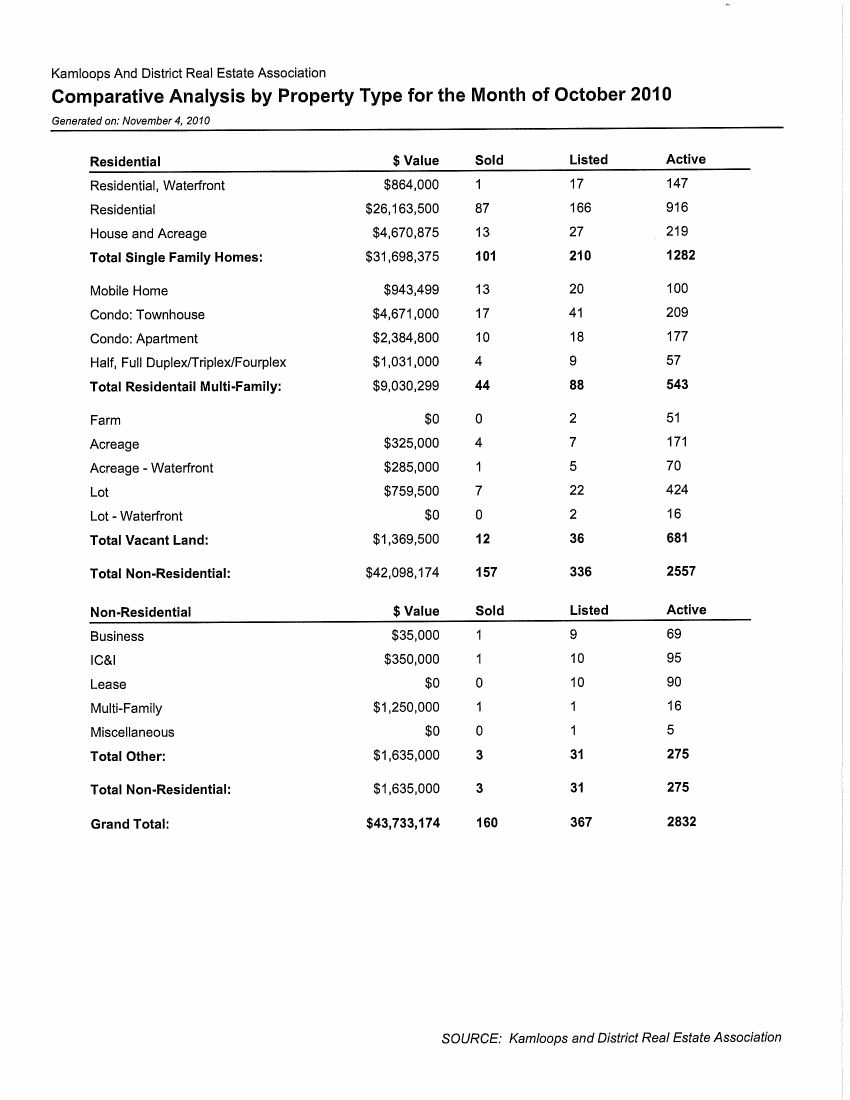
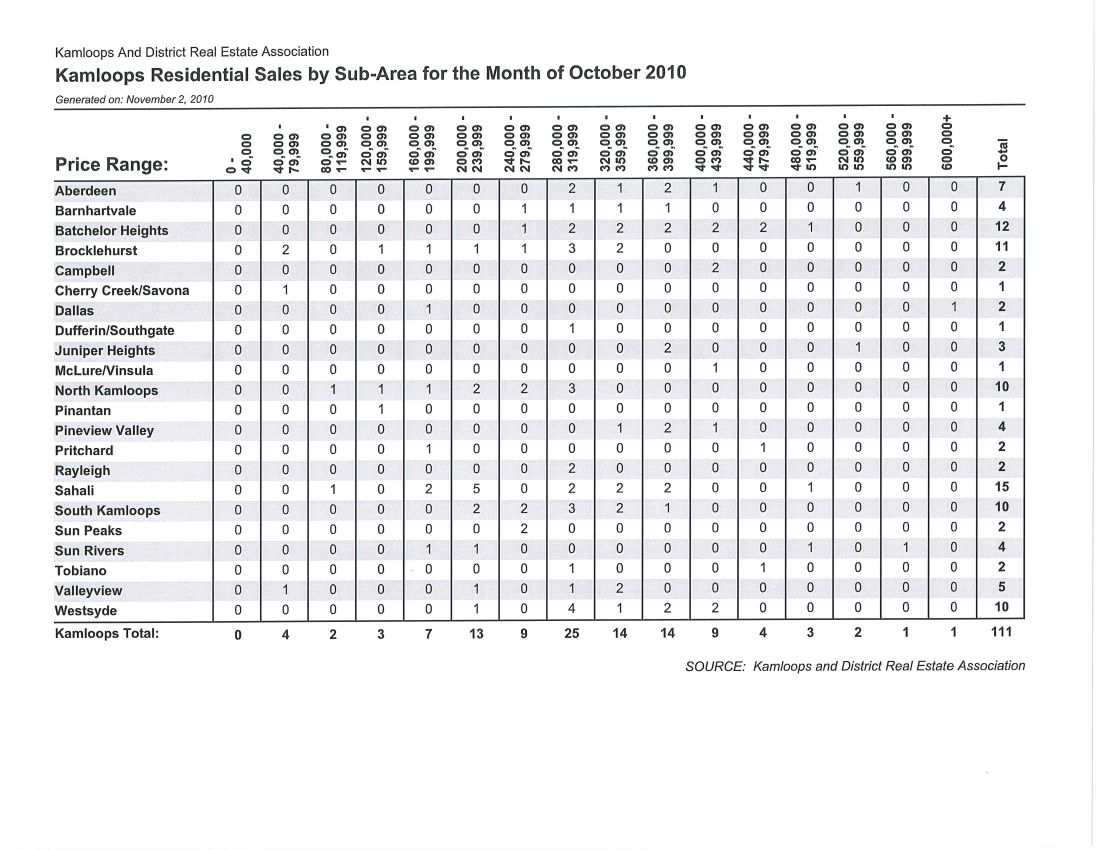
When you initially list your home for sale you decide on a reasonable list price with your Realtor. If you do not get any offers in 30 days and there are few showings you have to look at your price. You can do all the above mentioned things but if your price is too high no one will buy your home. Look at recent sales that compare to your home, as comparing your home to other homes currently for sale poses a very simple problem; the other homes also are not selling. Ultimately price will sell your home.
If you’ve covered these 17 points in the sale of your home, you may have to ask yourself “what is our Realtor doing?” We suggest the following questions:
1. Where are you advertising my home?
2. What has been the feedback on the showings?
3. How many hits are we getting on line?
4. How do you feel our price is compared to other homes like ours?
5. What do you have planned for marketing our home in the next 30 days?
There are many important things that have to be done by both the listing Realtor and the home seller when selling a home. Ensure that you and your Realtor have the same expectations.
Click here for a free, no-obligation online home evaluation.

 Spend a little bit of money on your Kamloops home and save a lot on your home energy bills. Here are some tips on cutting your energy costs year round.